Area Real Estate News & Market Trends

You’ll find our blog to be a wealth of information, covering everything from local market statistics and home values to community happenings. That’s because we care about the community and want to help you find your place in it. Please reach out if you have any questions at all. We’d love to talk with you! By reading these posts, you acknowledge and agree to this blog disclosure.

April 1, 2023

Sold with a Smile: How a Positive Mindset, Preparation, and Honesty Can Help You Sell Your Home

Selling a home can be a daunting and overwhelming process, but it is an inevitable part of life for many homeowners. If you are considering selling your home, there are several factors to consider before making the final decision.

As a homeowner, you have likely invested a lot of time, effort, and emotion into your property. However, when it comes time to sell, it can be an opportunity to learn about the real estate market, the process of selling a home, and even about yourself. You may learn new negotiation skills, gain insights into your own priorities and values, and even discover new opportunities for growth and personal development. By maintaining a positive outlook and attitude, you can turn the process of selling your home into a rewarding and exciting experience, filled with opportunities for learning and growth.

It's important to approach selling your home with a positive mindset while also getting prepared with knowledge about the process and the condition of your home. By taking a proactive approach and learning about the current real estate market, the process of selling a home, and any necessary repairs or upgrades, you can feel more confident and informed throughout the selling process. At the same time, it's important to maintain a positive outlook and focus on the exciting possibilities that selling your home can bring, such as a new start, a fresh beginning, or the chance to explore new opportunities. By combining a positive attitude with knowledge and preparation, you can successfully navigate the process of selling your home and achieve your desired outcome.

One of the first things to assess is the condition of your property. Before putting your home on the market, it is essential to ensure that all the major systems, such as the roof, plumbing, electrical, and HVAC, are in good condition. Any necessary repairs or upgrades should be addressed to avoid any potential issues during the selling process. Additionally, it is crucial to inspect for any termite infestation and schedule fumigation if needed. A cracked slab can also be a significant issue and should be assessed by a professional.

Upgrading your property can also increase its value and appeal to potential buyers. Some upgrades may include fresh paint, landscaping, updated appliances, or a new kitchen or bathroom. However, it is essential to consider the costs of these upgrades and whether they will result in a significant return on investment.

When selling a home, it is also important to assess the pros and cons of the decision. Some benefits may include a profit from the sale, moving to a more desirable location, or downsizing. However, some potential drawbacks may include the stress of the selling process, the emotional attachment to the property, or the uncertainty of finding a new home.

Speaking of a new home, it is essential to consider whether you have a place to go after the sale. Selling your home without a plan for a new residence can add stress and pressure to the process. It is crucial to research potential options and secure a new living arrangement before putting your home on the market.

It is also important to estimate the potential profit from the sale conservatively. This can be done by assessing the current value of the property, the cost of any necessary repairs or upgrades, and the fees associated with the selling process, such as commission fees for the real estate agent.

One factor that many homeowners may overlook is the impact of high mortgage interest rates. Mortgage interest rates are the percentage of the loan amount charged by the lender to the borrower for the use of the money. These rates can vary depending on a variety of factors, including the current state of the economy, inflation rates, and even global events. When mortgage interest rates are high, it can have a significant impact on the affordability of purchasing a home, which can, in turn, affect the overall demand for homes on the market.

One of the main reasons that high mortgage interest rates should be taken into consideration when selling your home is their impact on the purchasing power of potential buyers. When interest rates are high, it means that buyers will have to pay more in interest over the life of their loan.

When it comes to selling your home, there are numerous factors to take into account, as you may have already noticed. Alexander Pfleger boasts more than three decades of experience in the real estate and mortgage industry. This demonstrates his resilience, even during times of economic downturn. Alexander has a passion for his work and takes pleasure in assisting homeowners, buyers, and borrowers. He has extensive knowledge of the real estate market and has served as a mortgage broker for a considerable amount of time, allowing him to offer guidance on both the real estate and mortgage aspects. Additionally, he prioritizes his clients' individual needs and remains focused on delivering customized solutions.

Call Alexander Pfleger today at 619-339-7334!

Get a free property valuation instantly!

Rancho Bernardo Home

Posted in Pro Tips
March 21, 2023

Multi-Family Homes in San Diego: A Smart Investment for Extra Income and Family Living

Multi-family homes in San Diego are properties that are designed to accommodate more than one family or household. These properties can include duplexes, triplexes, fourplexes, and other buildings that have multiple units within them. Multi-family homes can be a great investment for homeowners who are looking for extra income or who want to live with their family members. One of the primary benefits of multi-family homes in San Diego is that they can generate extra income for homeowners. By renting out one or more of the units in the building, homeowners can generate rental income that can offset their mortgage payments or provide extra cash flow. This can be particularly beneficial for homeowners who are looking to pay off their mortgage faster, save for retirement, or invest in other properties.

Another advantage of multi-family homes in San Diego is that they can provide a way for families to live together while maintaining their privacy and independence. For example, a family with adult children or elderly parents may choose to purchase a multi-family home so that everyone can have their own separate living space. This can be a great way to keep family members close and involved in each other's lives while still maintaining some distance and privacy.

Multi-family homes in San Diego can also be a good investment opportunity because they tend to appreciate in value over time. This means that homeowners who purchase a multi-family property now can potentially sell it for a profit later on. Additionally, owning a multi-family property can provide tax benefits and other financial incentives that can help homeowners save money.

Of course, there are also some challenges associated with owning a multi-family home in San Diego. For example, homeowners will need to manage multiple units and tenants, which can be time-consuming and require some expertise in property management. Additionally, homeowners will need to comply with local laws and regulations governing multi-family properties, which can be complex and vary depending on the type of property.

It's important to consider several factors when buying a multi-family home in San Diego. Here are some key things to look for:

Location: The first thing to consider when buying a multi-family home in San Diego is the location. Ideally, you want to find a property that is located in a desirable neighborhood with low crime rates and good schools. You should also consider proximity to public transportation, shopping centers, and other amenities that tenants may be interested in.

Property condition: It's important to thoroughly inspect the property before making an offer to purchase. Look for signs of wear and tear, such as leaky roofs, outdated electrical or plumbing systems, and structural damage. You should also check for any code violations or other issues that could be costly to repair.

Unit mix: The unit mix refers to the number and type of units in the property. For example, a duplex has two units, while a fourplex has four units. You should consider the unit mix carefully when purchasing a multi-family home in San Diego. Look for a mix of unit sizes and configurations that will appeal to a variety of tenants. This can help ensure that you have a steady stream of rental income. Rental income: Speaking of rental income, you should carefully evaluate the rental income potential of the property before making an offer. Look at the current rental rates in the area and compare them to what the property is currently generating. You should also consider any potential renovations or upgrades that could increase rental income in the future.

Tenant history: Finally, it's important to consider the tenant history of the property. Ask the current owner for information on the current tenants, including their rental history and payment habits. You should also consider whether there are any long-term tenants who may be entitled to rent-controlled rates or other protections.

In summary, buying a multi-family home in San Diego can be a great investment opportunity, but it's important to carefully evaluate the property before making an offer. By considering these key factors, you can help ensure that you find a property that will provide a steady stream of rental income and meet your long-term investment goals.

View multi-family homes for sale in San Diego!

Text, call, or email to get started:
Alexander Pfleger
homes@listingagentsandiego.com
619-339-7334

House in San Diego

Posted in Pro Tips
March 14, 2023

Jumbo Loans in San Diego County: How to Finance Your Dream Home

San Diego County, located in southern California, is known for its beautiful beaches, mild climate, and thriving economy. With a high cost of living and real estate prices to match, many homebuyers in San Diego County turn to jumbo loans to finance their dream homes. In this blog post, we'll discuss what you need to know about getting a jumbo loan in San Diego County.

What is a Jumbo Loan?

A jumbo loan is a mortgage loan that exceeds the conforming loan limits set by Fannie Mae and Freddie Mac, which are government-sponsored enterprises that buy and sell mortgage loans. In most counties in the United States, the conforming loan limit for a single-family home is $548,250 in 2021. However, in high-cost areas like San Diego County, the conforming loan limit can be as high as $822,375 for a single-family home.

To obtain a jumbo loan, borrowers typically need a strong credit history, high income, and a substantial down payment. Jumbo loans are riskier for lenders, so they often come with higher interest rates and more stringent qualification requirements.

How to Get a Jumbo Loan in San Diego County

If you're interested in getting a jumbo loan in San Diego County, here are some steps you can take to improve your chances of getting approved:

  • Check your credit score. Your credit score is one of the most important factors that lenders consider when evaluating your application for a jumbo loan. Check your credit score and address any errors or issues that could negatively impact your score.
  • Save for a down payment. Most lenders require a down payment of at least 20% for a jumbo loan. Start saving early so you have a substantial down payment when you're ready to apply for a loan.
  • Get pre-approved. Before you start house-hunting, get pre-approved for a jumbo loan. This will give you a better idea of what you can afford and will show sellers that you're a serious buyer.
  • Gather documentation. Jumbo loan applications typically require more documentation than traditional mortgage applications. Be prepared to provide bank statements, tax returns, proof of income, and other financial documents.

Benefits of Jumbo Loans in San Diego County

Jumbo loans offer several benefits for homebuyers in San Diego County. For one, they allow borrowers to finance homes that exceed the conforming loan limits set by Fannie Mae and Freddie Mac. This can be especially helpful in high-priced areas like La Jolla, Del Mar, and Rancho Santa Fe.

Jumbo loans in San Diego County also offer flexibility in terms of repayment options. Borrowers can choose from a variety of repayment terms, including 15-year, 30-year, and even 40-year loans. This can help buyers tailor their loan to fit their financial situation and long-term goals.

Getting a jumbo loan in San Diego County can be a smart way to finance your dream home. However, it's important to understand the requirements and qualification criteria for jumbo loans.

Request A Quote!

Questions? Call Alexander anytime at 619-339-7334!

Direct Capital Mortgage Logo

Posted in Loans
March 13, 2023

Discover the Great Outdoors: 15 Must-See Hiking Trails in San Diego County

San Diego is a beautiful coastal city with many opportunities for outdoor activities. One of the best ways to experience the natural beauty of San Diego is by hiking. With its mild climate and diverse topography, San Diego offers a variety of hiking trails for people of all fitness levels. In this blog post, we'll explore an extensive list of hiking trails in San Diego.

  1. Cowles Mountain: This is the highest peak in San Diego, standing at 1,593 feet. The trail is 3 miles round trip and offers stunning views of the city and surrounding mountains.
  2. Torrey Pines State Reserve: This coastal nature reserve offers a variety of hiking trails that range in difficulty. The Guy Fleming Trail is an easy, 0.7-mile loop that offers stunning views of the ocean.
  3. Iron Mountain: This trail is a 5.8-mile round trip that offers stunning views of the surrounding mountains and valleys. It's a moderately difficult hike with some steep sections.
  4. Potato Chip Rock: This is a popular trail in San Diego that leads to a unique rock formation that looks like a potato chip. The trail is 7.6 miles round trip and is a challenging hike.
  5. Mount Woodson: This trail is best known for its famous potato chip rock, but the trail itself offers stunning views of the surrounding mountains and valleys. The trail is 7.5 miles round trip and is a moderately difficult hike.
  6. Three Sisters Falls: This trail is a 4-mile round trip that leads to a beautiful waterfall. The hike is challenging and requires some scrambling over rocks.
  7. Cedar Creek Falls: This trail is a 5.2-mile round trip that leads to a stunning waterfall. The hike is challenging and requires a permit to access.
  8. Mission Trails Regional Park: This park offers over 60 miles of hiking trails that range in difficulty. The Cowles Mountain Trail and the Oak Canyon Trail are two popular trails in the park.
  9. Cuyamaca Rancho State Park: This park offers over 100 miles of hiking trails that range in difficulty. The Stonewall Peak Trail and the Cuyamaca Peak Trail are two popular trails in the park.
  10. Los Peñasquitos Canyon Preserve: This preserve offers over 10 miles of hiking trails that range in difficulty. The waterfall trail is a popular trail in the preserve.
  11. Lake Poway Loop Trail: This trail is a 2.7-mile loop around Lake Poway that offers stunning views of the lake and surrounding mountains.
  12. El Cajon Mountain: This trail is a 11.6-mile round trip that offers stunning views of the surrounding mountains and valleys. It's a challenging hike with steep sections.
  13. Double Peak Trail: This trail is a 5.6-mile round trip that offers stunning views of the surrounding mountains and ocean. It's a moderately difficult hike.
  14. Volcan Mountain Preserve: This preserve offers over 5 miles of hiking trails that range in difficulty. The Five Oaks Trail is a popular trail in the preserve.
  15. Daley Ranch: This park offers over 20 miles of hiking trails that range in difficulty. The Boulder Loop Trail and the Ranch House Loop Trail are two popular trails in the park.

These are just a few of the many hiking trails in San Diego. Whether you're a seasoned hiker or just starting out, there's a trail in San Diego that's perfect for you. Grab your hiking shoes and hit the trails!

Tips for Hiking in San Diego County:

  • Bring plenty of water, especially during the summer months.
  • Wear comfortable and supportive shoes
  • Check the weather before you go and be prepared for changes in temperature.
  • Bring sunscreen and a hat to protect yourself from the sun.
  • Bring a map or download a hiking app to help navigate the trails.
  • Respect wildlife and stay on designated trails to help preserve the environment.
  • Leave no trace - pack out all trash and leave the area as you found it.

Going on a hike can be a great way to get exercise and enjoy the outdoors, but it's important to be prepared for emergencies that could happen along the way. Here are some tips on how to come prepared in case of an emergency when on a hike:

  • Bring a First Aid Kit: It's always a good idea to bring a first aid kit with you on a hike. It should include items such as bandages, antiseptic wipes, gauze pads, tweezers, and adhesive tape. You can purchase pre-made first aid kits at most outdoor supply stores or create your own.
  • Carry a Map and Compass: Even if you plan to use your phone or GPS to navigate your hike, it's always a good idea to carry a map and compass as backup. Make sure you know how to use them before heading out on your hike.
  • Bring Plenty of Water: Staying hydrated is crucial when hiking, especially in hot weather. Bring enough water for your entire hike, and consider bringing water purification tablets or a water filter in case you need to refill your water bottle from a stream.
  • Pack Nutritious Snacks: In case of an emergency, it's important to have plenty of nutritious snacks on hand to keep your energy levels up. Pack snacks that are high in protein and carbohydrates, such as nuts, trail mix, and energy bars.
  • Wear Appropriate Clothing: Dress for the weather and terrain you will be hiking in. Wear comfortable and supportive shoes, and consider bringing rain gear, warm layers, and a hat for sun protection.
  • Bring a Whistle and Flashlight: These items can be useful in attracting attention if you need to signal for help. Make sure your flashlight has fresh batteries.
  • Let Someone Know Your Plan: Before heading out on your hike, tell someone where you will be going and when you plan to return. If you change your plans, make sure to let them know.

In the event of an emergency, stay calm and assess the situation. If you have cell phone service, call 911 or the local emergency number. If you don't have cell phone service, use your whistle or flashlight to signal for help. Remember to stay put if you are lost or injured and conserve your energy and resources until help arrives. By coming prepared and knowing what to do in case of an emergency, you can stay safe and enjoy your hike with peace of mind.

Looking to buy or sell a home in San Diego? Call Alexander anytime at 619-339-7334!

Contact Us Today!

Need a home loan? Request A Quote!

Posted in Pro Tips
March 12, 2023

The Benefits of Using a Realtor to Sell Your Home

The Benefits of Using a Realtor 

Selling a home can be a daunting and complex process. Some homeowners may consider taking on the task themselves, thinking they can save money on real estate commissions. However, selling a home without a realtor can be risky and ultimately end up costing homeowners more money than they anticipated. Here are some reasons why home sellers should not sell a home without a realtor representing them.

Pricing Expertise: Real estate agents are experts in pricing homes. They can help determine a fair market value for your property based on the current market trends, local real estate data, and other important factors. Pricing a home too high can lead to a stagnant listing and a lower selling price, while pricing a home too low can result in lost revenue.

Marketing and Advertising: Realtors have access to marketing and advertising tools that can help attract potential buyers to your property. They can create professional property listings, arrange for professional photography, and use social media to reach a wider audience. Without this expertise, home sellers may struggle to attract buyers and may not receive the highest possible offer.

Negotiation Skills: Realtors are experienced in negotiating the best possible terms for their clients. They can help navigate the complex legal and financial aspects of a home sale, including handling offers, counteroffers, and other negotiations. This can help ensure that home sellers receive the best possible deal when selling their property.

Legal and Ethical Requirements: Selling a home involves a variety of legal and ethical requirements that can be difficult to navigate without proper training and expertise. Realtors are trained to handle these requirements and can help ensure that the sale of your property is handled legally and ethically.

Time and Energy: Selling a home can be time-consuming and stressful, especially for homeowners who are also working full-time jobs or raising families. Realtors can help take on the bulk of the work, including scheduling showings, handling paperwork, and communicating with potential buyers. This can help alleviate stress and allow homeowners to focus on other important aspects of their lives.

Selling a home without a realtor may seem like a way to save money, but it can be a risky move. By working with a real estate professional, homeowners can benefit from expert pricing, marketing, and negotiation skills, while also ensuring that their home sale is handled legally and ethically. Selling a home is a major financial decision, and homeowners should carefully consider their options before embarking on the process without the assistance of a realtor.

FREE HOME VALUATION >>>

Questions To Ask

When meeting with a realtor for a listing appointment, there are several questions you should ask to ensure that they are the right fit for you and your needs.

Here are some key questions to consider:

  1. What is your experience and track record in selling properties in my area?
  2. Can you provide me with a Comparative Market Analysis (CMA) for my property?
  3. How do you plan on marketing my property to potential buyers?
  4. What is your communication strategy, and how often will you provide me with updates on the progress of the sale?
  5. What is your commission rate, and what services are included in that rate?
  6. How do you handle negotiations and multiple offers?
  7. Can you provide me with references from past clients?
  8. How long do you anticipate my property being on the market before it sells?
  9. What recommendations do you have for preparing my property for sale?
  10. How will you handle showings and open houses, and what steps will you take to ensure the security of my property during these events?

By asking these questions and discussing your needs and expectations with potential realtors, you can find the right partner to help you sell your property quickly and for the best possible price.

Comparative Market Analysis

Realtors typically provide a Comparative Market Analysis (CMA) for sellers, not buyers. The purpose of a CMA is to help a seller determine a reasonable asking price for their property by comparing recent sales of similar properties in the same area.

However, buyers can benefit from a similar analysis called a Comparative Market Evaluation (CME). A CME is similar to a CMA, but instead of looking at recent sales to determine a property's value, it looks at the asking prices of similar properties currently on the market.

To obtain a CMA for sellers, realtors will typically research recent sales of comparable properties in the same area. They will look at factors such as location, square footage, number of bedrooms and bathrooms, and other amenities to determine a fair market value for the property. Realtors will also take into account market trends, such as supply and demand, to determine a price that will attract potential buyers.

To obtain a CME for buyers, realtors will typically search for similar properties currently on the market. They will look at asking prices, as well as factors such as location, size, and amenities, to determine a reasonable offer price for the property.

In both cases, the realtor's goal is to provide their client with an accurate assessment of the value of the property they are interested in, based on current market conditions and comparable sales or listings. This information can be a valuable tool for both buyers and sellers as they navigate the real estate market.

Alexander Pfleger loves what he does and has been working with buyers and sellers for over 30 years. Please call anytime at 619-339-7334.

Contact Us Today!

Request A Home Loan Quote

Posted in Pro Tips
March 10, 2023

Why Renters Insurance Is a Must-Have for Both Renters and Investors

San Diego is a beautiful city with a thriving real estate market. As a real estate investor in San Diego, you want to protect your investment and minimize risks. One way to do this is by requiring all tenants to get renters insurance. In this blog post, we will discuss why San Diego real estate investors should require renters insurance and what benefits it provides.

  • Firstly, renters insurance provides liability coverage. Liability coverage protects the tenant in case they accidentally cause damage to the property or injure someone while living in the rental unit. This coverage can be crucial in case of a lawsuit, as it can help cover the costs of legal defense and settlement.
  • Secondly, renters insurance provides personal property coverage. Personal property coverage protects the tenant's belongings in case of theft, fire, or other covered events. While this coverage may not directly benefit the real estate investor, it can provide peace of mind for the tenant, and it can reduce the likelihood of disputes arising from damaged or lost belongings.
  • Thirdly, requiring renters insurance can encourage responsible behavior from tenants. Renters who have insurance are more likely to take better care of the rental property and avoid risky behavior that could cause damage or injury. By requiring renters insurance, you are showing tenants that you take their safety and well-being seriously, and you are setting expectations for responsible behavior.
  • Lastly, requiring renters insurance can help protect your investment. While you may have insurance that covers your property, renters insurance can help protect your investment by providing additional liability coverage and reducing the likelihood of disputes arising from damaged or lost belongings.

Renters insurance provides liability and personal property coverage, encourages responsible behavior, and can help protect your investment. While it may be an additional expense for tenants, the benefits of renters insurance far outweigh the costs. As a real estate investor, it is important to prioritize risk management and protect your investment, and requiring renters insurance is an easy and effective way to do so.

Looking to purchase an investment in San Diego? Look at the custom links below:

When informing a renter that they are required to get renters insurance, it is important to do so in a clear and professional manner. Here is a suggested script for communicating this requirement:

Dear [Tenant],

I hope this message finds you well. As a reminder, our lease agreement requires all tenants to obtain renters insurance. Renters insurance provides liability and personal property coverage, and it can help protect your belongings in case of theft, fire, or other covered events.

We understand that unexpected events can happen, and we want to make sure you are adequately protected. If you do not already have renters insurance, we encourage you to obtain a policy as soon as possible.

Please provide us with proof of insurance by [deadline date] and let us know if you have any questions or concerns about this requirement. We appreciate your cooperation in maintaining a safe and secure rental community.

Best regards,

[Your Name]

Renters, this is for you!

While renters insurance is not legally required, it is highly recommended for renters to consider getting it.

Renters insurance is designed to protect renters' personal belongings in case of theft, damage, or loss caused by events such as fire, smoke, or water damage. It can also provide liability coverage, which can help pay for legal fees or medical bills if someone is injured while visiting your rented property.

Here are some reasons why renters should consider getting renters insurance:

  1. Protection for personal belongings: Renters insurance can cover the cost of replacing or repairing your personal belongings, such as furniture, clothing, and electronics, in case of damage or theft.
  2. Liability coverage: If someone is injured while visiting your rented property, renters insurance can help cover the cost of legal fees or medical bills if you are found responsible for the accident.
  3. Peace of mind: Renters insurance can provide peace of mind and financial security in case of unexpected events, such as a fire or burglary.
  4. Affordable: Renters insurance is typically affordable, with policies starting at just a few dollars per month.

Overall, while renters insurance is not required by law, it is a wise investment for renters to protect their personal belongings and provide liability coverage in case of unexpected events.

If you are a renter who has experienced a loss or damage to your personal property, you may need to file a claim with your renters insurance provider to receive compensation for your losses. Here are the steps you can take to file a claim to renters insurance:

  1. Notify your insurance company: Contact your insurance company as soon as possible to report the loss or damage. Most insurance companies have 24/7 claims reporting services, so you can file a claim at any time. Be prepared to provide your policy number, a description of the loss or damage, and any other information your insurance company may request.
  2. Document the damage: Take photos or videos of the damage to your personal property. This will help your insurance company assess the damage and determine the value of your claim. Also, keep any receipts or other documents that show the value of the damaged property.
  3. Provide additional information: Your insurance company may ask for additional information or documentation to support your claim. This may include a police report if the loss or damage was due to theft, or a repair estimate if the damage can be repaired.
  4. Wait for your insurance company's response: Your insurance company will review your claim and may send an adjuster to assess the damage. Once your claim is approved, your insurance company will provide you with compensation for your losses, either by repairing or replacing your damaged property or by providing you with a cash settlement.

It's important to keep in mind that renters insurance policies may have limits and exclusions, so be sure to read your policy carefully and ask your insurance company if you have any questions about your coverage. By having renters insurance and knowing how to file a claim, you can have peace of mind knowing that you are protected in case of unexpected events.

As an experienced investor, mortgage broker, and real estate agent for the last 30 years Alexander would love the opportunity to assist you. Whether you are an investor or home buyer or seller we can help. Please contact us anytime at 619-339-7334.

Need a home loan? Request A Quote!

Renters Insurance Tips

Posted in Pro Tips
March 9, 2023

Questions to Ask a Mortgage Broker When Buying A Home

Buying a home is one of the most significant investments you will make in your lifetime, and it can be a daunting process. One of the most crucial steps in buying a home is securing a mortgage, and this is where a mortgage broker comes in. A mortgage broker can help you find the best mortgage product for your needs and help you navigate the complex process of securing a mortgage. However, not all mortgage brokers are created equal, and it's essential to ask the right questions to find the right broker for you. Here are some questions to ask a mortgage broker when you're buying a home:

  1. What mortgage products do you offer?
    Mortgage brokers work with multiple lenders, and they can offer a range of mortgage products. However, not all brokers offer the same products, and it's essential to know what the broker can offer. Some brokers may specialize in certain types of mortgages, such as FHA or VA loans, while others may have access to a wide range of products, including jumbo loans or interest-only mortgages.
  2. What are the interest rates and fees?
    Mortgage rates can vary depending on the lender, the type of loan, and other factors. It's important to ask the broker what interest rates and fees you can expect for the mortgage product you're interested in. This information will help you compare different lenders and choose the one that offers the best deal for your needs.
  3. What is the pre-approval process?
    Getting pre-approved for a mortgage is an important step in the home buying process. Pre-approval can help you determine how much you can afford to borrow and can make you a more attractive buyer to sellers. Ask the broker about their pre-approval process and what documentation you'll need to provide. Some brokers may offer pre-approval in as little as 24 hours, while others may take longer.
  4. What is the timeline for closing?
    Closing on a home can take anywhere from a few weeks to a few months, depending on the lender and the complexity of the mortgage. It's important to know what the timeline is for closing so you can plan accordingly. Ask the broker about the timeline for closing and what you can do to speed up the process.
  5. What happens if I have trouble making payments?
    Life is unpredictable, and sometimes unexpected financial difficulties can arise. It's important to know what happens if you have trouble making payments on your mortgage. Ask the broker about the lender's policies for late payments, missed payments, and foreclosure. Knowing this information upfront can help you make an informed decision about whether this lender is the right choice for you.
  6. Can you explain any unfamiliar terms or concepts?
    Mortgages can be complicated, and there may be unfamiliar terms or concepts that you don't understand. Ask the broker to explain any terms or concepts that you're unsure about. A good broker will be able to explain things clearly and help you understand the process.

Asking these questions to a mortgage broker can help you find the right mortgage product for your needs and ensure a smooth home buying process. It's important to work with a broker who is knowledgeable, transparent, and willing to answer your questions. Remember, buying a home is a big decision, and it's essential to take your time and make an informed choice.

If you're looking for a mortgage professional to help you secure a home loan, here are some qualities to look for:

  • Experience: Look for a mortgage professional who has extensive experience in the industry. Ask how long they've been working in the field, and if they've worked with clients in situations similar to yours.
  • Knowledgeable: A good mortgage professional should have a deep understanding of the mortgage industry, including interest rates, loan options, and the underwriting process.
  • Communication skills: Your mortgage professional should be able to clearly explain the mortgage process and answer any questions you have. They should also keep you updated throughout the process.
  • Attention to detail: The mortgage process can be complex, so it's important to work with someone who pays close attention to details and can help you navigate potential pitfalls.
  • Trustworthiness: Your mortgage professional will have access to sensitive personal and financial information, so it's essential to work with someone you trust.
  • Good reviews and references: Look for a mortgage professional with good reviews from previous clients. You can also ask for references and check with those clients to see how their experience was.
  • Availability: Make sure your mortgage professional is available to answer your questions and provide guidance throughout the process. You don't want to work with someone who is difficult to reach or takes a long time to respond.

The specific paperwork required by a mortgage broker may vary depending on the lender and the type of mortgage being applied for, but in general, borrowers should prepare the following documents:

  1. Proof of income: This includes pay stubs, W-2 forms, and tax returns for the past two years.
  2. Employment verification: Borrowers will need to provide the name and contact information for their current employer, as well as any previous employers they've had in the past two years.
  3. Bank statements: Lenders will want to see at least two months of bank statements for all accounts, including checking, savings, and investment accounts.
  4. Proof of assets: This includes documentation for any assets the borrower owns, such as real estate, vehicles, or other investments.
  5. Identification: Borrowers will need to provide a government-issued ID, such as a driver's license or passport.
  6. Credit history: Lenders will typically pull credit reports themselves, but borrowers can bring their own credit reports if they want to check for errors or discrepancies.
  7. Debt information: Borrowers should provide information on any outstanding debts, including credit cards, student loans, and car loans.

It's a good idea to check with the mortgage broker ahead of time to see if there are any additional documents or information they require. Gathering all of the necessary paperwork in advance can help speed up the mortgage application process.

Request A Quote Today!

Direct Capital Mortgage Logo

Posted in Pro Tips
March 8, 2023

Benefits of Improving Curb Appeal When Selling Your Home

What is Curb Appeal?

  • Curb appeal is the first impression your home makes on visitors. It's how you want them to feel when they see it from the street, and it can make or break a sale.
  • Curb appeal matters because buyers want to know that they're making an investment in a property that is well-maintained and cared for. A home with good curb appeal will look like it's worth more than one without--and therefore be easier to sell at full asking price!

Benefits of Improving Curb Appeal

  • Improving your curb appeal will increase the value of your home, attract potential buyers and create a pleasant atmosphere.
  • Increased Value: The first thing that people notice when they look at a house is its exterior. If it looks run down and unkempt, they're likely to assume that the inside is just as bad. Houses with good curb appeal are more likely to be sold quickly and for more money than those without it because potential buyers see them as being well cared for and maintained homes that have been well taken care of by their owners.
  • Attract Potential Buyers: When you improve the appearance of your home's exterior, you make it more attractive to potential buyers who may not have considered purchasing it before due to its less-than-ideal appearance from outside viewings only (i.e., driving past). This can lead directly into increased sales numbers!

Tips for Improving Curb Appeal

If you want to improve the curb appeal of your home, there are a few things that you can do. First, it's important to make sure that the outside of your house is well-kept and clean. This includes tidying up any landscaping or yard work that needs done. Second, paint can be an inexpensive way to give your home a facelift. A fresh coat of paint will make it look new again! Lastly, creating an inviting entrance will help potential buyers see themselves living in this space as soon as they walk through the front door (or garage).

How to Make a Good First Impression

  • Clean up the driveway.
  • Add outdoor lighting.
  • Plant flowers and shrubs that are in season, but also consider adding some perennials that will come back year after year without much maintenance or watering (like hydrangeas).

How to Create an Inviting Entrance

To create an inviting entrance, consider installing a new front door. If you have an older home with a smaller front door, this can be an easy way to add some curb appeal without breaking the bank. You can also add some flair by painting your porch or adding a welcome mat.

Tips for Making Your Home Stand Out

  • Create a feature wall.
  • Add a water feature to your yard, such as a fountain or pond.
  • Replace old windows with new ones that match the style of your home, like bay windows or French doors.

Tips for Increasing Curb Appeal on a Budget

  • Repaint the front door. A fresh coat of paint can make a huge difference in how your home looks, and it's often one of the least expensive ways to improve curb appeal. If you're not sure what color would look best on your house, ask a friend or family member for advice--or take a quick trip to your local hardware store to look at different colors in person!
  • Add outdoor planters. Even if you don't have much space for plants inside your home (or don't want them), adding some planters along the front walkway will give visitors something pleasingly green and lush-looking when they arrive at your doorstep. You can also add some colorful flowers that will stand out against any background--this is especially helpful if there are other houses nearby with similar shades as yours!
  • Create a window box with potted herbs like basil or mint; these will add color without taking up too much space on an already crowded porch.

Ideas for Adding Color and Texture to Your Home

  • Add a colorful mailbox.
  • Hang a wreath on the door.
  • Add a decorative fence, such as one made from iron or wood, to add some texture and interest to your yard.

Tips for Keeping Your Home's Curb Appeal

  • Keep the lawn trimmed. A well-maintained lawn is a sign of pride and care, which can go a long way in helping potential buyers see you as a responsible homeowner. If you don't have time to do it yourself, hire someone who does lawn maintenance on the side--they'll be able to give your yard an extra boost before showing it off to potential buyers.
  • Wash windows regularly with vinegar and water (or other homemade window cleaner) so they sparkle when people come over!
  • Keep the porch clean by sweeping off dirt or leaves that may have accumulated there over time; this will make sure visitors feel welcome when they step inside your home.

Curb appeal is an important part of selling your home. It's the first thing potential buyers see when they come to look at your house and makes an immediate impression on them. If you want to sell your home quickly, then improving curb appeal is something you should consider doing before putting it on the market.

Consider the Wave of Emotions Home Buyers Go Through When Touring Homes

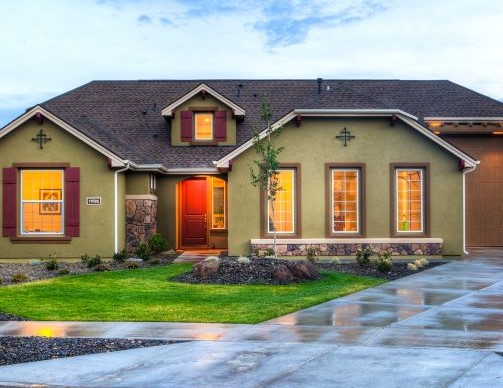
As the prospective homebuyers pull up to the property, their hearts start to race with anticipation. They feel a mix of excitement and nervousness, wondering if this might be the place they'll call home. As they step out of the car and approach the front door, they take in the surroundings, trying to imagine themselves living there. They might feel a sense of awe at the curb appeal, admiring the well-manicured lawn and inviting porch.

As they enter the house, they are hit with a wave of emotions. They take in the sights, sounds, and smells, trying to determine if this is a place they can see themselves spending their days. They may feel a sense of comfort as they take in the cozy atmosphere, imagining themselves curling up on the couch with a good book. They may feel a sense of excitement as they explore the various rooms, envisioning how they might decorate and personalize the space.

At the same time, they may also experience some trepidation, wondering if there are any hidden flaws or issues that could make this house a bad investment. They may feel a sense of pressure to make a decision, knowing that other potential buyers could be interested in the property as well.

Overall, the emotions and feelings that people go through when arriving at a home they might want to buy are a mix of excitement, nervousness, comfort, and trepidation. It's a big decision and one that requires careful consideration and a lot of emotions.

Looking to sell a home in San Diego? Call Alexander Pfleger at 619-339-7334 for a free, no pressure consultation.

Need financing? Request a quote today!

House with nice lawn

Posted in Pro Tips
March 5, 2023

5 Ways to Protect your San Diego Oceanfront Home from Rust

Owning a home near the ocean in San Diego offers many wonderful benefits, including, beautiful scenery, outdoor activities, relaxation, a healthy lifestyle, and a sense of community.

San Diego has several neighborhoods that offer easy access to the ocean and a desirable coastal lifestyle. Here are some popular areas to consider when looking to buy a house near the ocean: La Jolla, Del Mar, Carlsbad, Encinitas, and Solana Beach.

View ocean view homes in San Diego.

However, living near the ocean can expose your home to salty air and high levels of moisture, which can accelerate the formation of rust on metal surfaces. To protect your San Diego home from rust when living near the ocean, you can take the following steps:

  • Regularly clean and maintain metal surfaces: Regular cleaning and maintenance of metal surfaces can help prevent rust formation. Use a mild detergent and water to clean metal surfaces, and rinse them thoroughly with fresh water. Dry the surfaces with a clean cloth to prevent moisture buildup.
  • Apply protective coatings: Applying protective coatings such as paint, varnish, or rust inhibitors can help prevent rust formation on metal surfaces. These coatings act as a barrier between the metal surface and the salty air and moisture.
  • Use rust-resistant materials: When building or renovating your home, choose rust-resistant materials such as stainless steel, aluminum, or galvanized steel. These materials are less likely to rust than other metals such as iron or steel.
  • Proper ventilation: Proper ventilation can help reduce the moisture levels inside your home, which can prevent rust formation on metal surfaces. Use exhaust fans in bathrooms and kitchens and ensure that your home is properly insulated to prevent condensation buildup.
  • Regular inspections: Regularly inspect your home for signs of rust formation, especially in areas such as the roof, gutters, and exterior walls. Early detection can help prevent rust from spreading and causing further damage.

By following these steps, you can help protect your San Diego home from rust when living near the ocean.

San Diego is home to many beautiful beaches, but some of the most popular ones include, Coronado Beach, La Jolla Cove, Mission Beach, Pacific Beach, Del Mar Beach, Torrey Pines State Beach, and Ocean Beach.

Love to surf? San Diego is known for having some of the best surfing spots in Southern California. Here are some of the most popular surf breaks in San Diego: Black's Beach, La Jolla Cove, Sunset Cliffs, Ocean Beach Pier, Mission Beach, Windansea, Cardiff Reef, and Swami's. Each spot has its own unique characteristics and attracts a different crowd, so it's worth exploring them all to find your favorite.

To view homes in San Diego with ocean views, please contact Alexander at 619-339-7334.

Need a pre-approval for a home loan? We have you covered. Request a quote!

Ocean View San Diego

Posted in Pro Tips
March 5, 2023

Difference Between a Granny Flat and a Guest House?

San Diego is a popular destination for homebuyers, and there are many neighborhoods and communities throughout the city that offer homes with granny flats or guest houses.

A granny flat is a self-contained living space that is typically located on the same property as a single-family home. It is designed for an older family member who wants to live independently but also wants to be close to family. A granny flat may also be used as a rental property to generate additional income.

A guest house, on the other hand, is a separate dwelling on a property that is designed to accommodate guests. It is typically larger than a granny flat and may have multiple bedrooms and bathrooms. Guest houses are often used for short-term rentals, such as vacation rentals or Airbnb properties.

While there are some similarities between granny flats and guest houses, the main difference is their intended use. Granny flats are designed for long-term living and are usually occupied by a family member, while guest houses are intended for short-term rentals and are often occupied by tourists or other visitors.

The size of a granny flat, also known as an accessory dwelling unit (ADU), can vary depending on a few factors, such as local building codes, available space on the property, and the intended use of the unit.

Generally speaking, granny flats can range from around 300 square feet to over 1,000 square feet. However, the most common size is between 500 and 800 square feet.

Some granny flats may consist of just one room with a bathroom and a small kitchenette, while others may have several rooms, including a bedroom, living area, kitchen, and bathroom.

It's worth noting that the size of a granny flat doesn't necessarily determine its functionality or livability. With smart design and efficient use of space, even a small ADU can provide a comfortable and functional living space.

The size of guest houses can vary widely, depending on various factors such as location, purpose, and available space. Generally, guest houses are smaller than hotels and typically have fewer rooms. Some guest houses may only have a few rooms or suites, while others may have several dozen.

The size of a guest house may also depend on its intended use. For example, a guest house designed for couples or solo travelers may have smaller rooms than a guest house intended for families or groups. Additionally, guest houses located in urban areas with high land costs may have smaller footprints than those in rural or suburban areas.

Overall, the size of a guest house can range from a small cottage or studio apartment to a larger building with multiple rooms and amenities.

View homes in San Diego with a guest house.

When building a guest house, it is important to consider the following legal laws:

Zoning and Land Use Laws: Ensure that the property is zoned for guest house construction and meets the requirements set forth by local zoning laws.

Building Codes and Regulations: Building codes ensure that the guest house is structurally safe and meets certain minimum requirements for construction and design.

Permitting and Inspection: Obtain all necessary permits and undergo inspections during the construction process.

Health and Safety Regulations: Guest houses must comply with health and safety regulations, including fire codes, ventilation requirements, and electrical and plumbing standards.

ADA Compliance: Guest houses must comply with the Americans with Disabilities Act (ADA), including wheelchair accessibility and other provisions.

Business Licenses and Taxes: Depending on the jurisdiction, a business license may be required to operate a guest house. Also, be aware of tax requirements and regulations that apply to operating a guest house.

It is important to consult with a local attorney, architect, or contractor to ensure that your guest house complies with all applicable laws and regulations.

Question? Call Alexander Pfleger at 619-339-7334.

Need a pre-approval for a home loan? Request a quote.

Small Room

Posted in Custom Links