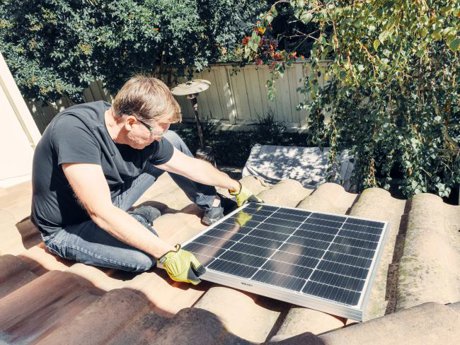
San Diego can be a great place to buy a home with solar panels due to its sunny weather. San Diego has a mild Mediterranean climate with an average of 266 sunny days per year. This means that there is plenty of sunlight to generate electricity from solar panels, which can help you save on your energy bills.
There are several reasons to buy a house with a solar system already installed, including:
1. Cost savings: A solar system can significantly reduce your energy bills, and if the system is already installed, you can start saving money right away.
2. Environmental benefits: Solar power is a clean and renewable energy source that produces no greenhouse gas emissions, making it an eco-friendly choice.
3. Increased home value: A home with a solar system installed is generally more attractive to buyers, as it offers the benefits of cost savings and environmental benefits.
4. Energy independence: With a solar system, you can generate your own power and reduce your dependence on the electricity grid, which can be especially important in areas with frequent power outages.
5. Government incentives: Depending on where you live, there may be tax credits or other incentives available for homes with solar systems, which can make the purchase even more cost-effective.
6. Maintenance: If the solar system is already installed, the previous owner may have already taken care of maintenance and repairs, saving you time and hassle.
Overall, buying a home with a solar system already installed can offer significant financial, environmental, and practical benefits.
View San Diego County homes with Solar!
When a home has a solar system, there are several issues to consider:
1. Efficiency: The efficiency of the solar panels is critical to the system's performance. You should check the age, condition, and efficiency of the solar panels. Older panels may not generate as much electricity as new ones, and damaged panels may not work correctly.
2. Maintenance: Regular maintenance of the solar system is essential to keep it running efficiently. You should ask the previous owner about their maintenance routine and whether they had any issues with the system. Also, consider getting an inspection by a professional to ensure everything is in good condition.
3. Warranty: Solar panels typically come with a warranty, which covers defects and other issues. You should ask the previous owner about the warranty, its terms and conditions, and whether any repairs or replacements were made under it.
4. Energy production: You should obtain the energy production data for the solar system to determine if it is producing enough energy to meet your needs. You can request this information from the previous owner or the solar installation company.
5. Incentives: Some states and utilities offer incentives for homeowners who install solar systems. You should research whether there are any incentives available in your area and whether the previous owner took advantage of them.
6. Compatibility: If you plan to make any changes or upgrades to your home, you should ensure that they are compatible with your solar system. For example, if you plan to add a new electrical appliance, you should check that the solar system can handle the additional load.
7. Financing: If the solar system was financed by the previous owner, you should check the terms of the loan or lease agreement. You will need to ensure that the payments are up to date and that you understand the terms of the agreement.
If you are considering a home without solar panels, here are the general steps for installing solar panels:
- Assessment and Design: A solar panel installation company will first evaluate your home to determine the best size, location, and design for the solar panel system. They will also take into account your energy needs and roof space.
- Permitting: Before installing solar panels, you will need to obtain the necessary permits from your local government.
- Mounting: The solar panels are mounted on the roof of your home using metal brackets. These brackets are secured to the rafters or roof trusses.
- Wiring: Once the panels are mounted, they are wired together and connected to a power inverter. The power inverter converts the DC electricity generated by the panels into AC electricity that can be used in your home.
- Connection to the Grid: After the system is installed and inspected, it will be connected to the electrical grid. Any excess energy generated by the solar panels will be sent back to the grid, and you will receive credit for it on your utility bill.
Overall, the process of installing solar panels on a home can take several weeks, but the actual installation time is typically only a few days.
The best time of day to use appliances when a home has solar panels is during the daytime when the sun is shining and the solar panels are generating electricity. This is typically when electricity prices are the highest, so using your appliances during this time can help you save money on your electricity bill and reduce your reliance on the grid.
However, the exact timing will depend on your location, the size of your solar panel system, and your energy consumption patterns. It's important to monitor your energy usage and the amount of electricity your solar panels are generating to determine the optimal time to use your appliances.
Additionally, you may want to consider installing a battery storage system to store excess solar energy generated during the day for use during the evening or at times when your solar panels are not generating enough electricity to power your home. This can further maximize your savings and reduce your reliance on the grid.
Contact Alexander Pfleger with questions regarding purchasing a home with a solar system.